
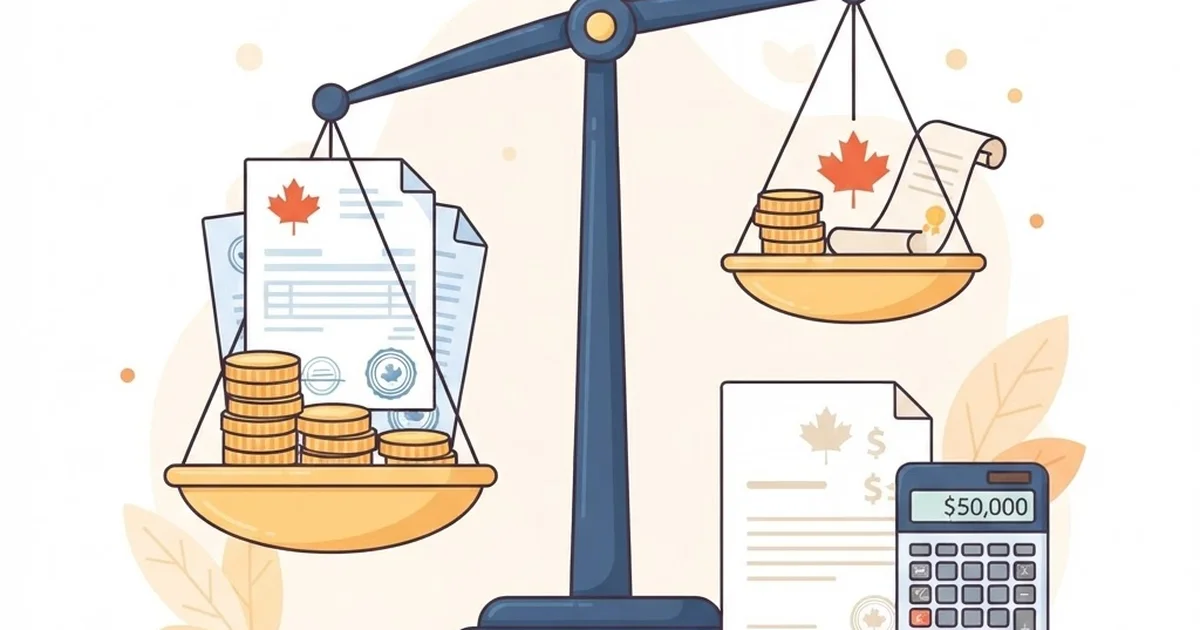
One of the most common misconceptions about death in Canada is that debts disappear when the debtor dies. They do not. Your debts survive you — and they must be paid from your estate before your beneficiaries receive anything.
Your Estate Is Responsible for Your Debts
When you die, everything you own becomes your estate. The executor is responsible for identifying assets and debts, notifying creditors, paying valid debts, filing final tax returns, and distributing what remains to beneficiaries. Debts are paid before beneficiaries.
What Debts Are Included?
- Credit cards: Balances in your name must be paid from the estate
- Mortgages: The lender has a claim against the property
- Personal loans and lines of credit: All outstanding loans in your name
- Car loans: The vehicle may need to be sold to clear the loan
- Tax liabilities: Including capital gains on assets deemed disposed of at death
- Outstanding bills: Utilities, property taxes, medical bills
What About Joint Debt?
If a debt was jointly held, the surviving debtor remains fully responsible for the entire amount. If both names are on the mortgage, the surviving spouse must continue payments.
Are Family Members Personally Liable?
No — family members are not personally liable for the deceased's debts unless they co-signed or jointly held the debt. Creditors can only make claims against the estate.
The Order of Payment
- Funeral and administration expenses
- Secured debts (mortgages, secured loans)
- Preferential debts (unpaid wages, certain taxes)
- Unsecured debts (credit cards, personal loans)
Beneficiaries receive distributions only after all valid debts are paid.
Deemed Disposition and Tax Debts
When you die, the CRA treats you as if you sold all your assets at fair market value. For investment properties, business interests, and non-registered investments, this can trigger significant capital gains tax — a hidden debt the estate must pay. Read more about RRSP beneficiaries and your estate.
How to Protect Your Family
- Life insurance: Provides tax-free funds outside the estate to beneficiaries
- Joint ownership: Assets held jointly pass outside the estate
- Keep debts organized: Maintain clear records for your executor
- Discuss insolvency: If the estate may be insolvent, your executor needs to know
The Executor's Duty to Creditors
Executors must identify and pay all valid debts before distributing the estate. If they distribute first and a creditor later comes forward, the executor may be personally liable. Executors should publish a notice to creditors, wait 6 months before distributing, keep a reserve fund, and obtain CRA clearance.
At Wills Made Easy, a one-hour appointment with a licensed professional covers your will, power of attorney, and personal directive — $395 for individuals, $495 for couples. Find your city to book an appointment.